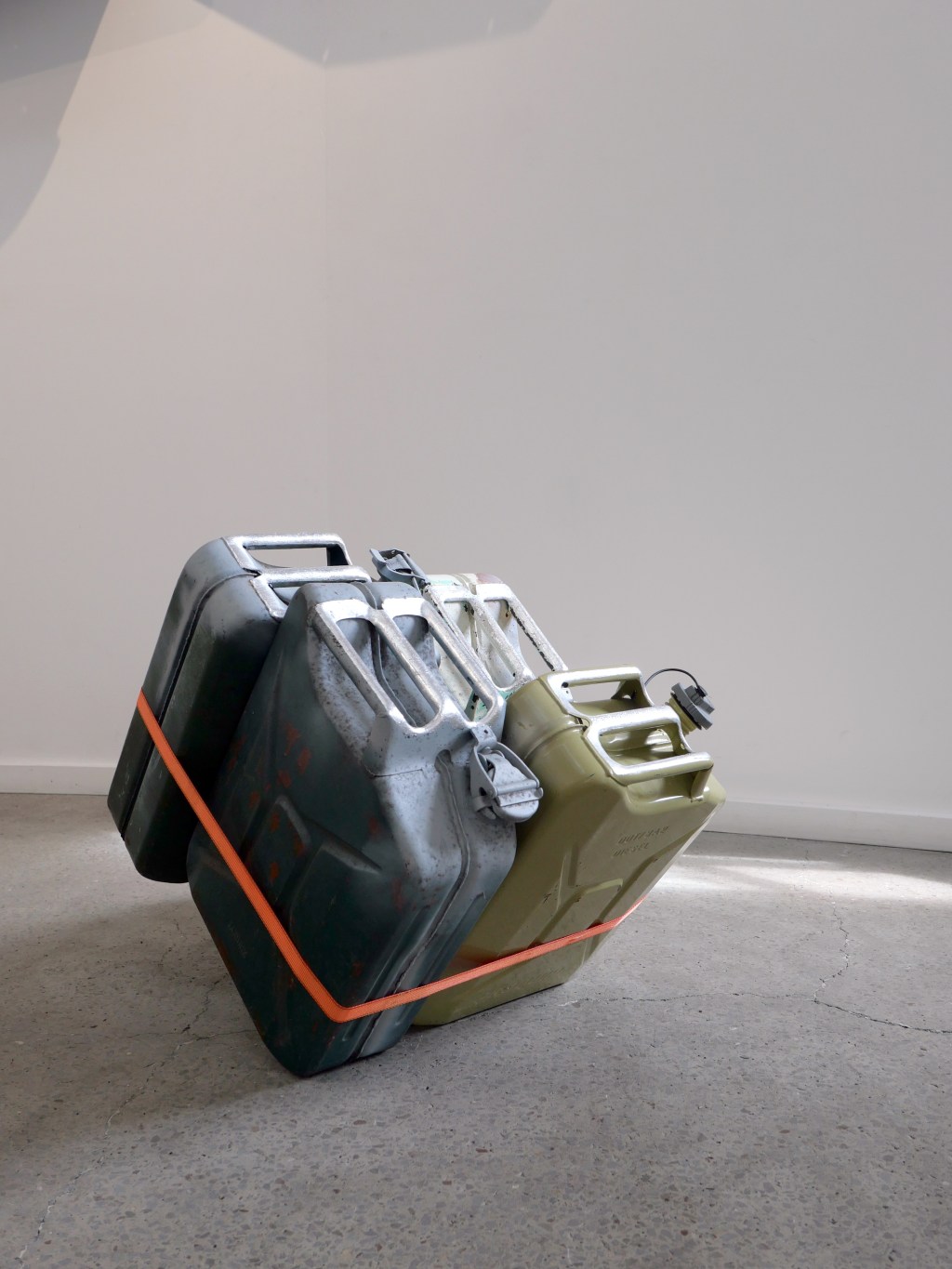
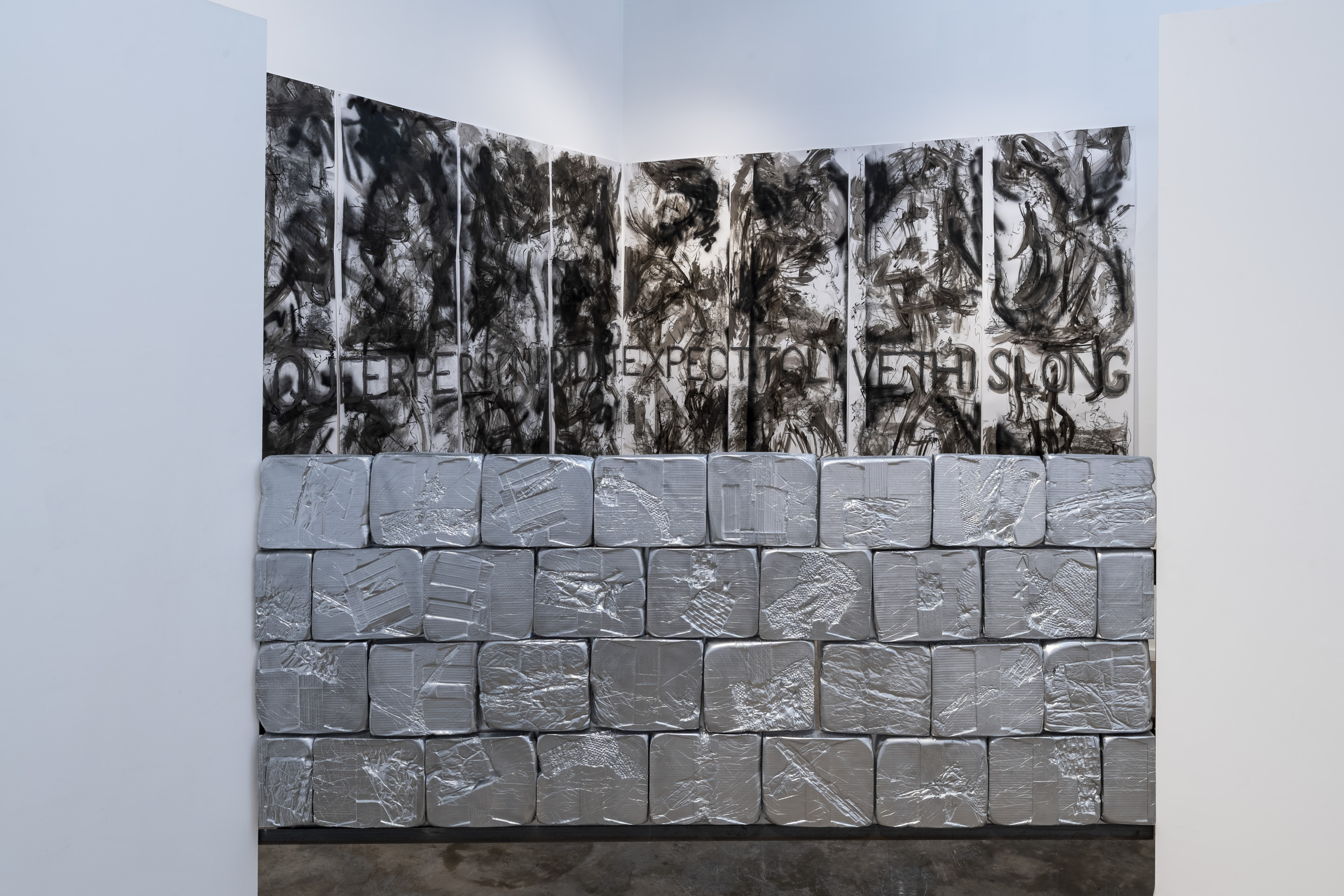
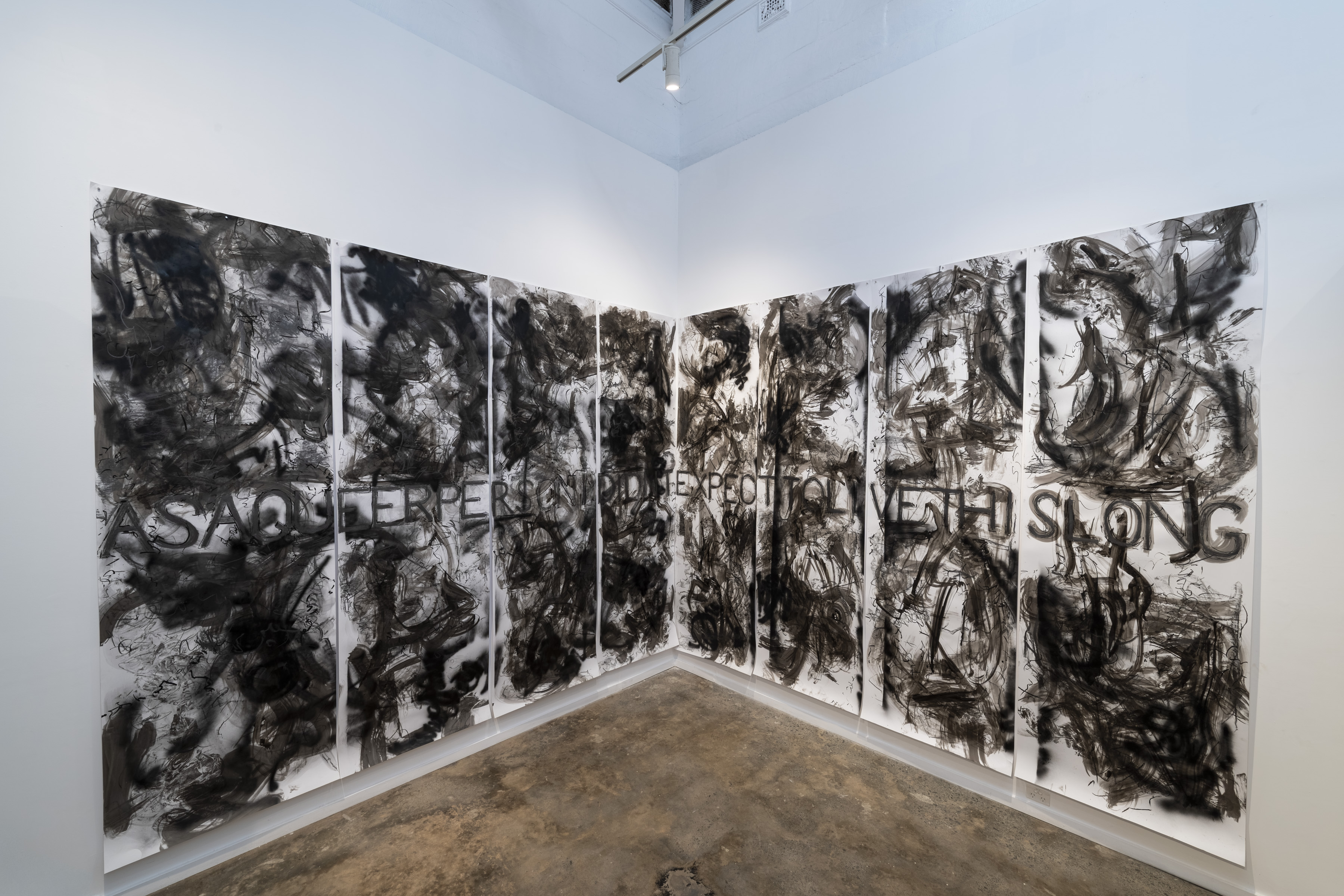
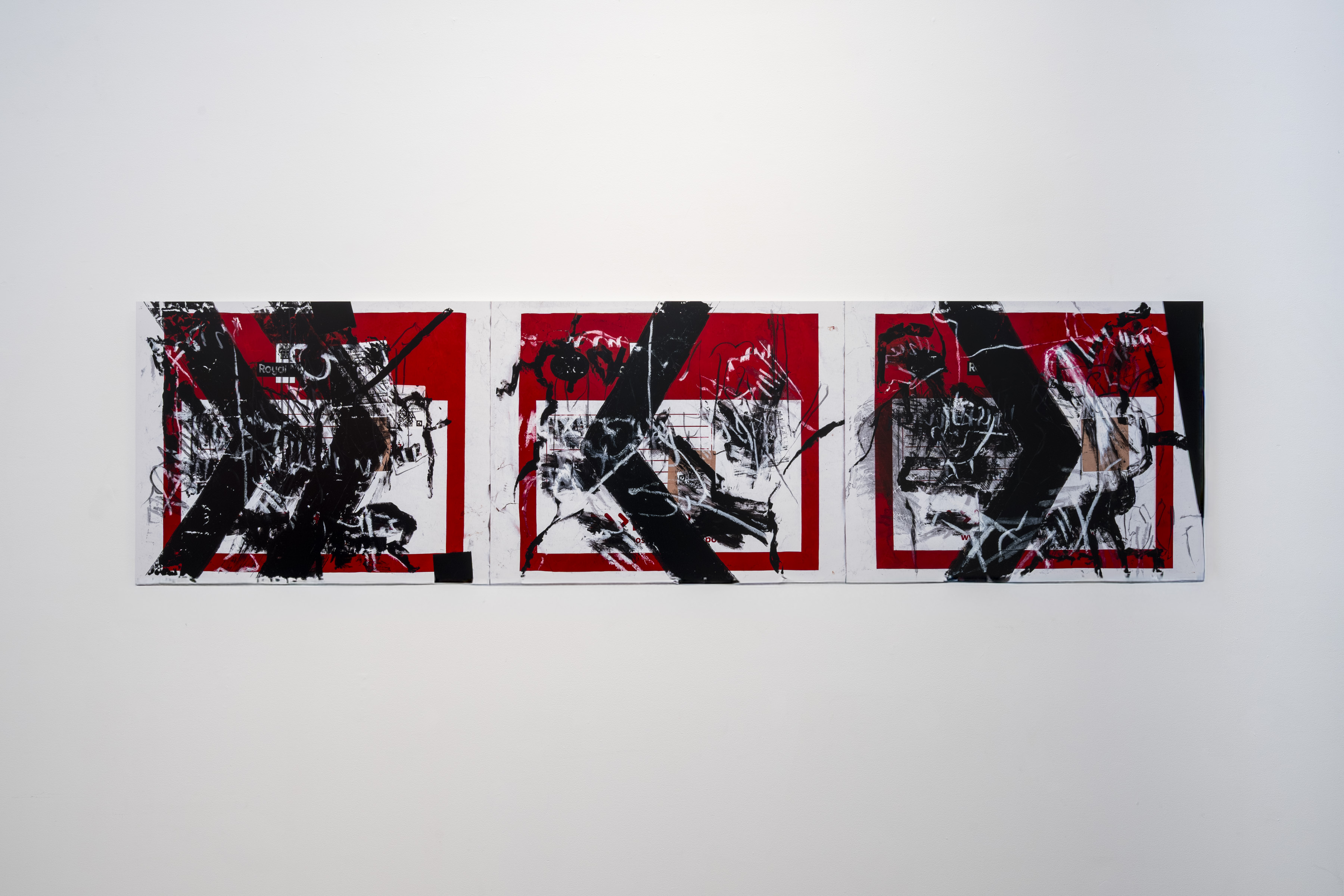
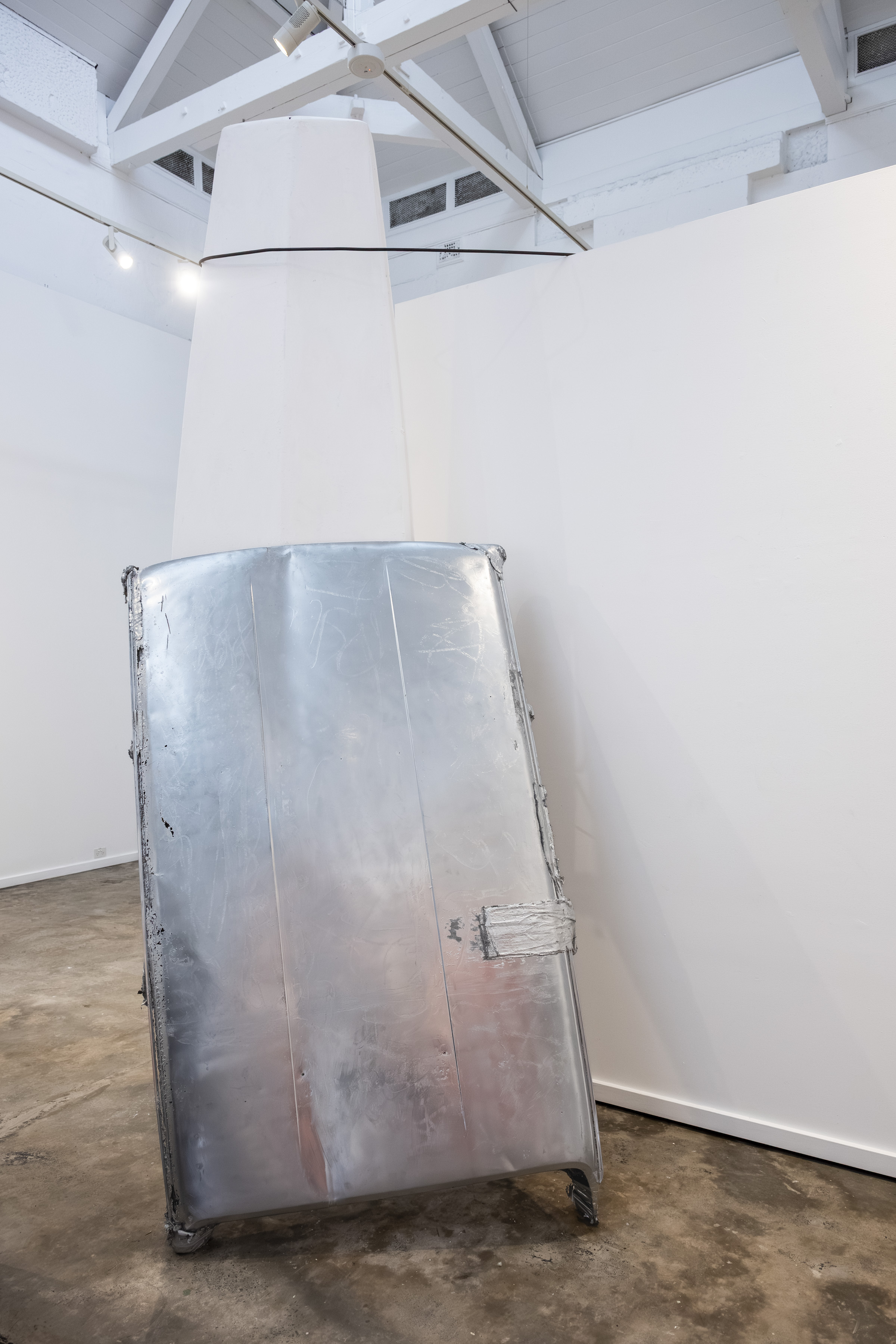
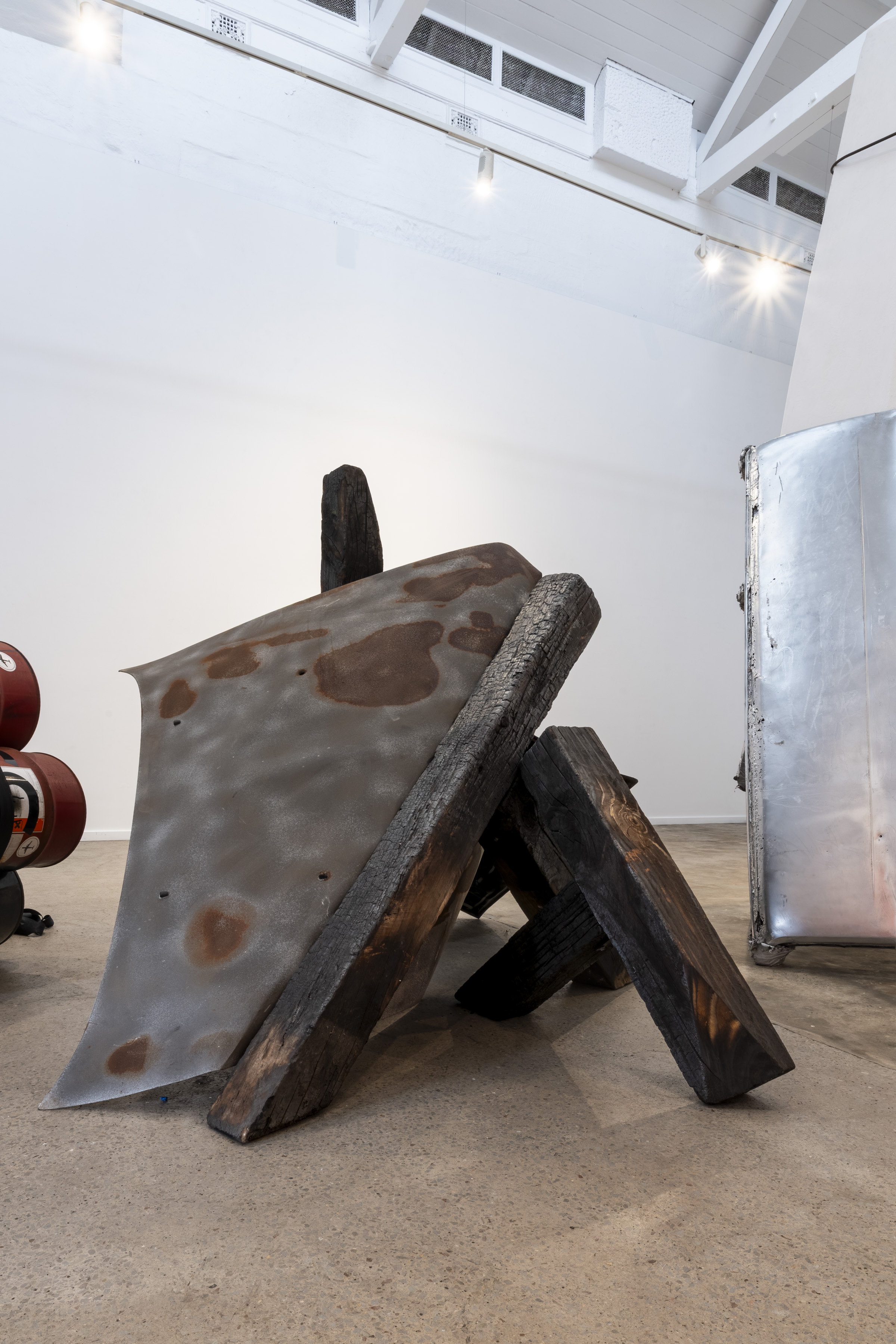
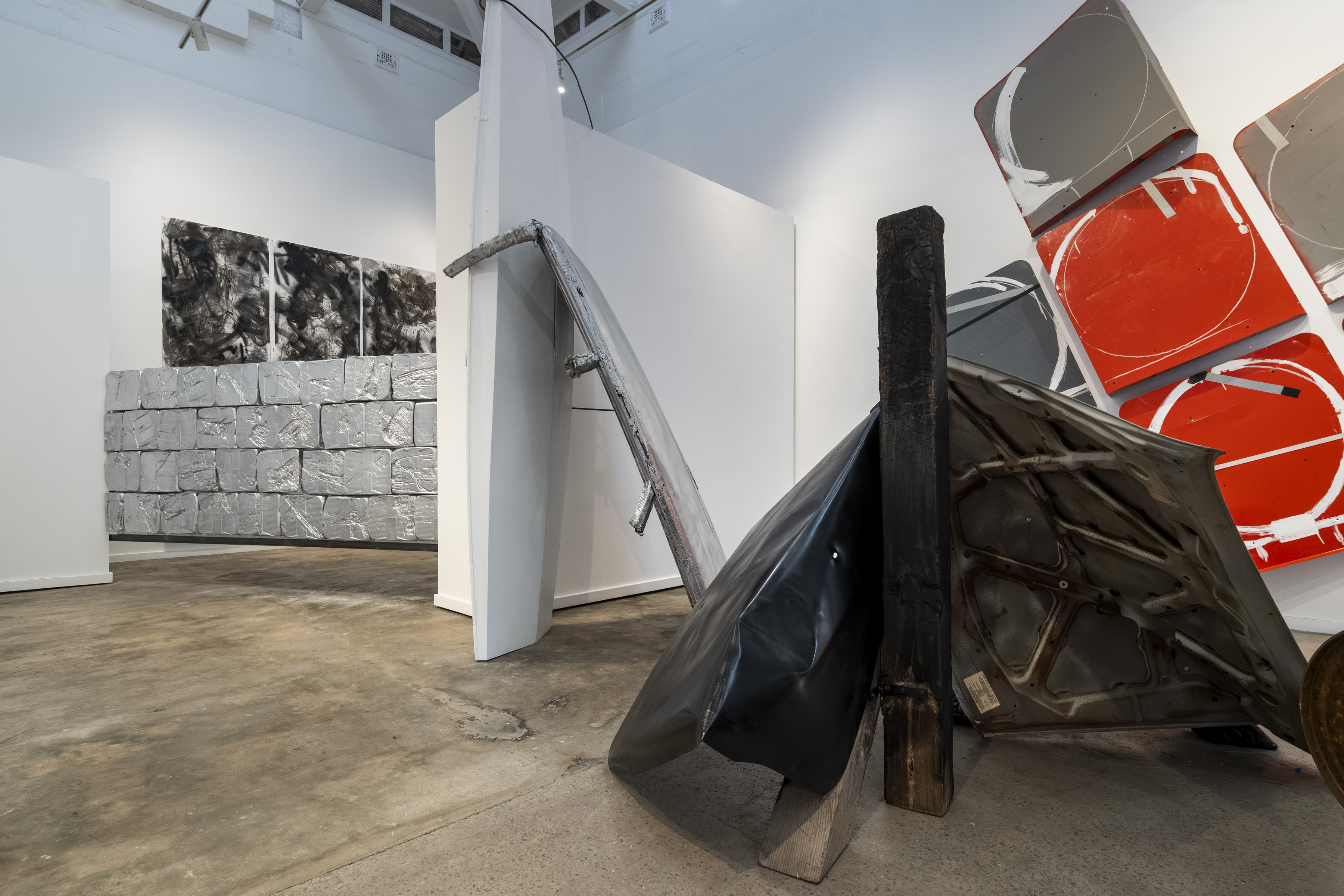
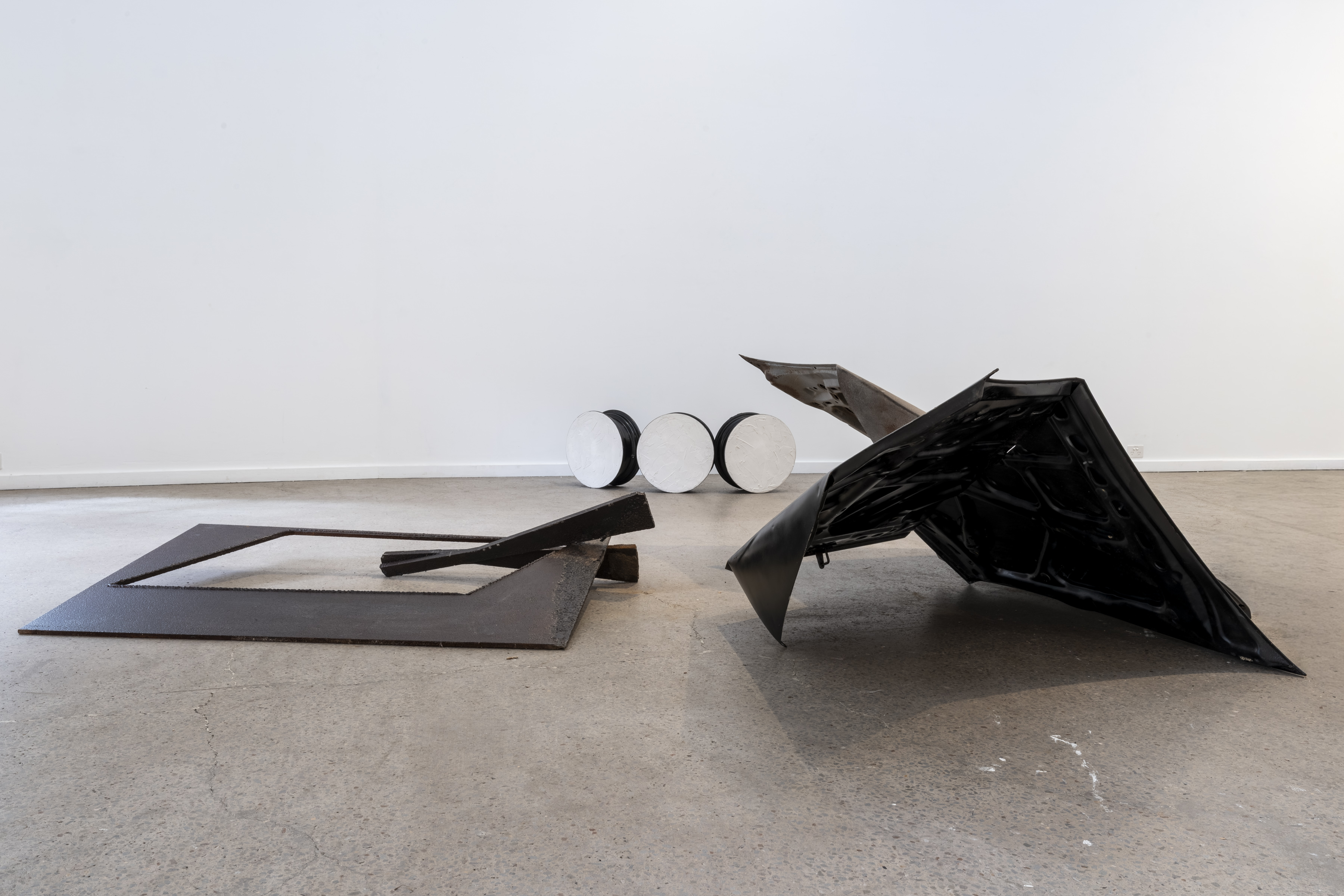
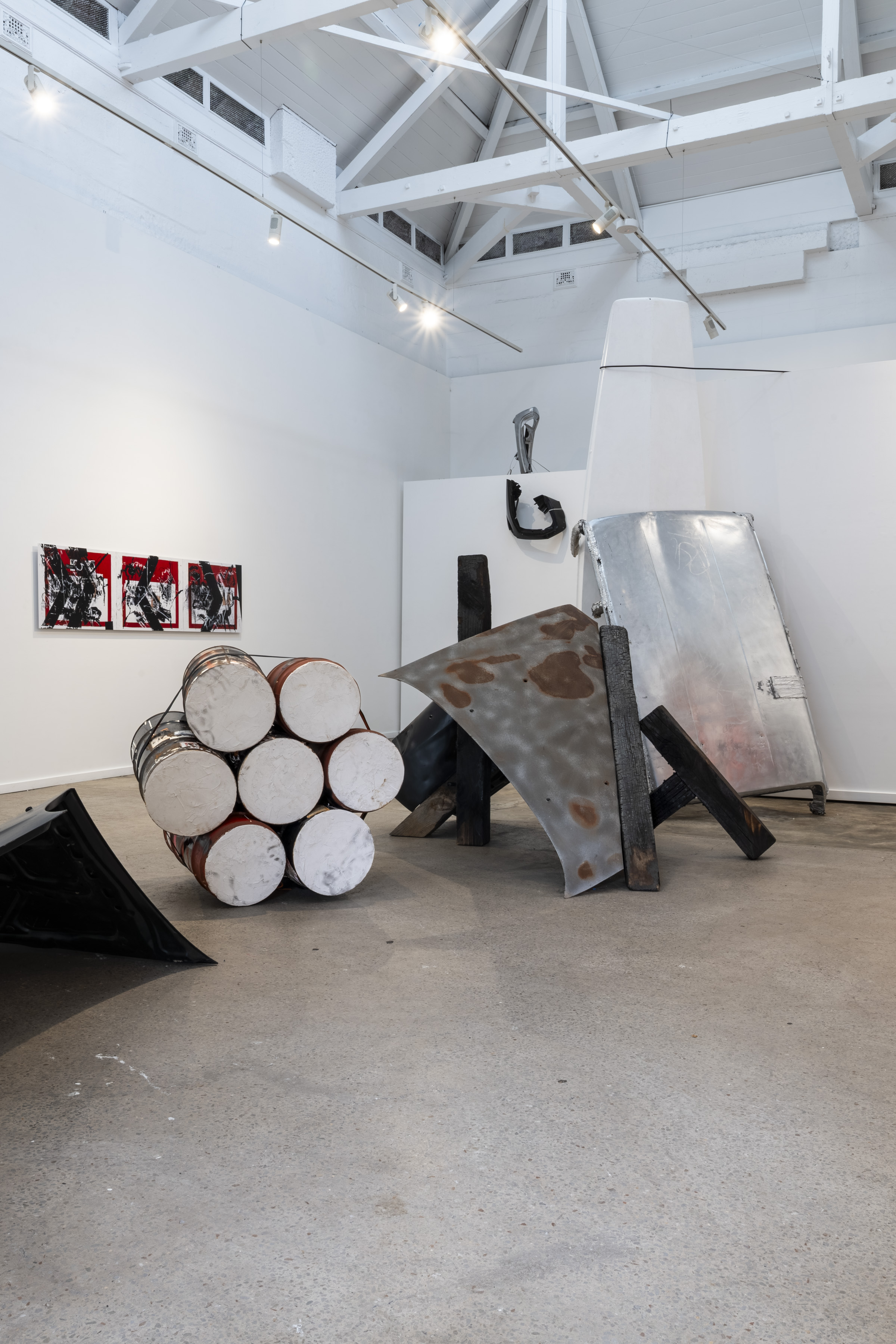
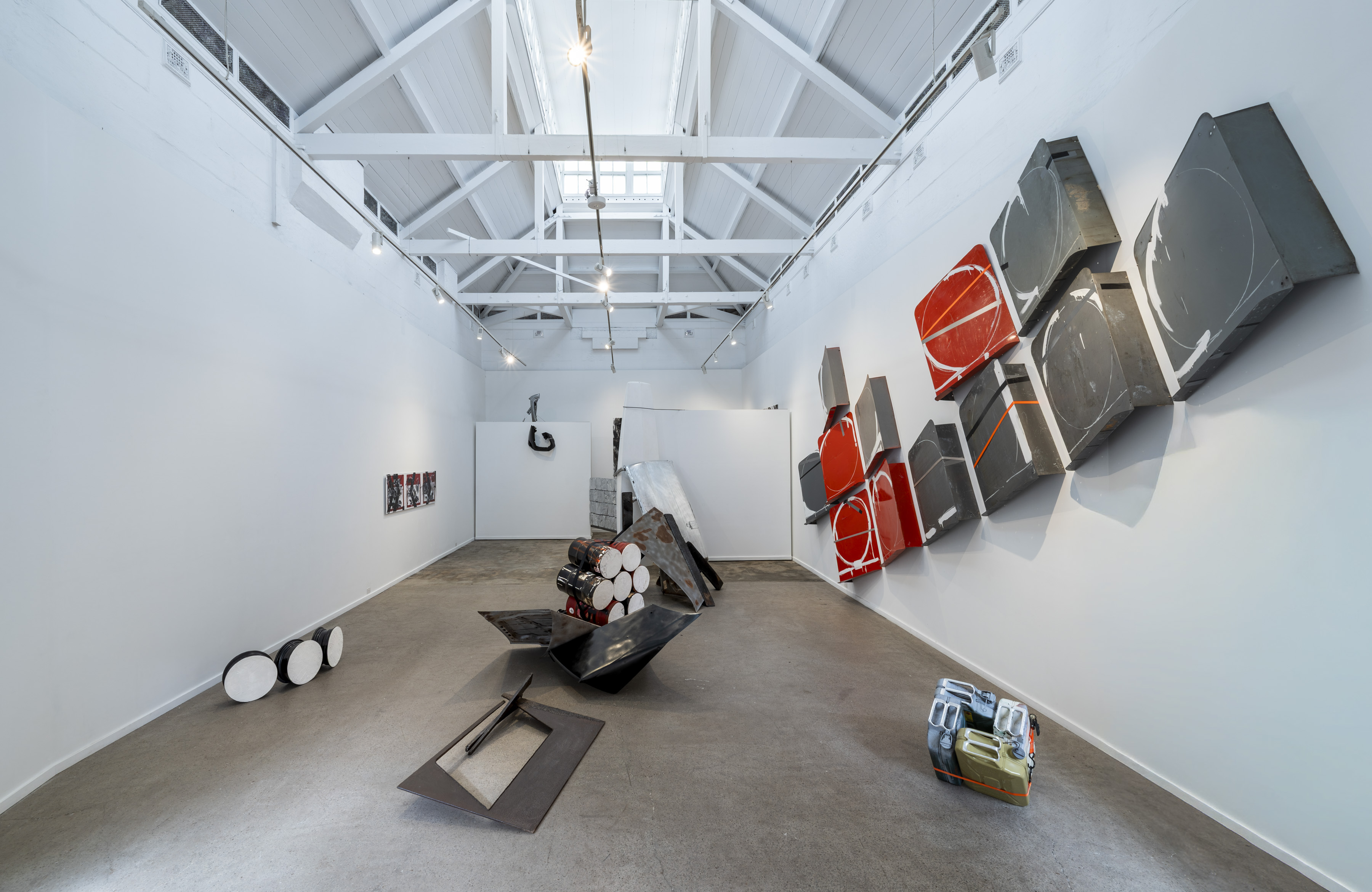
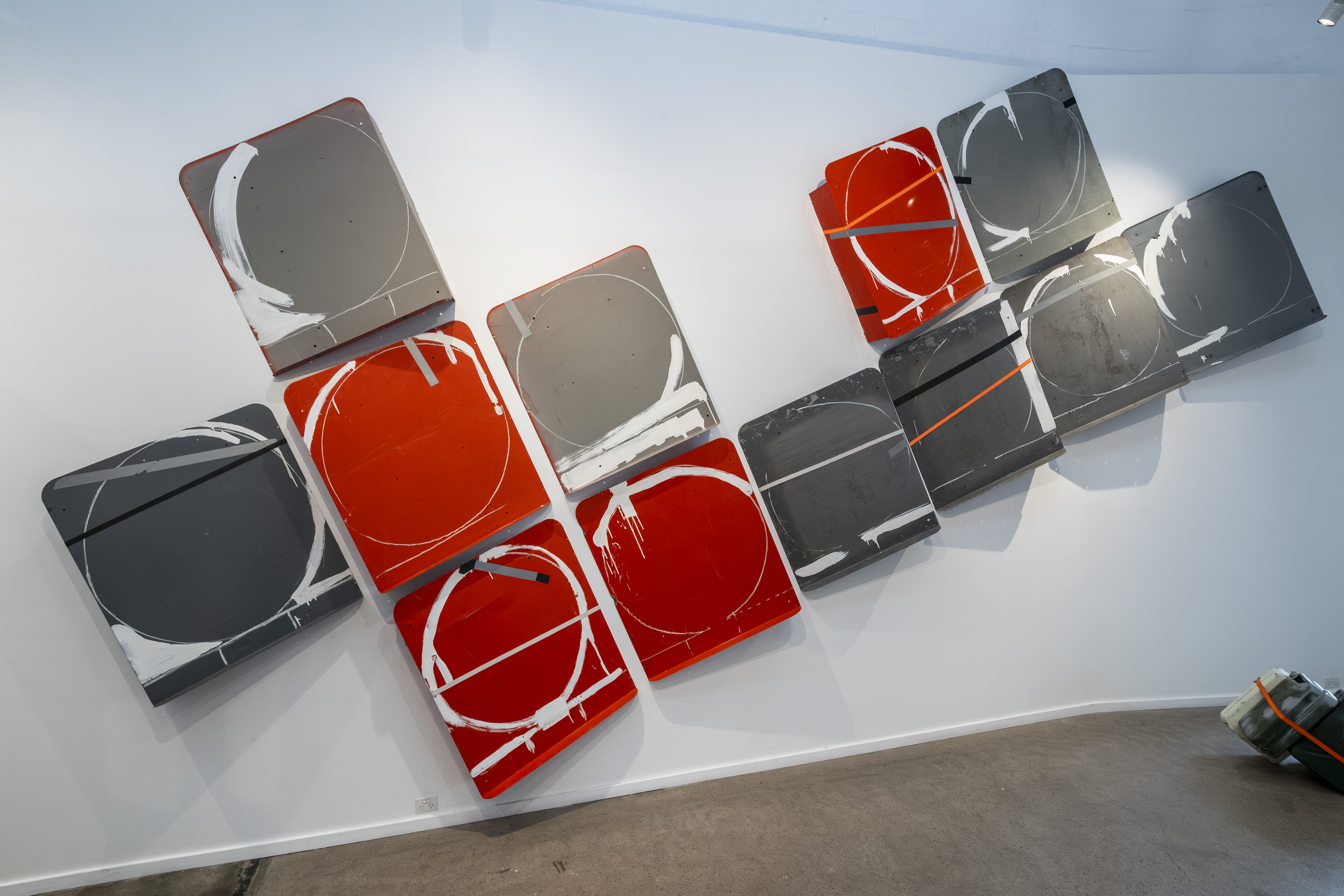
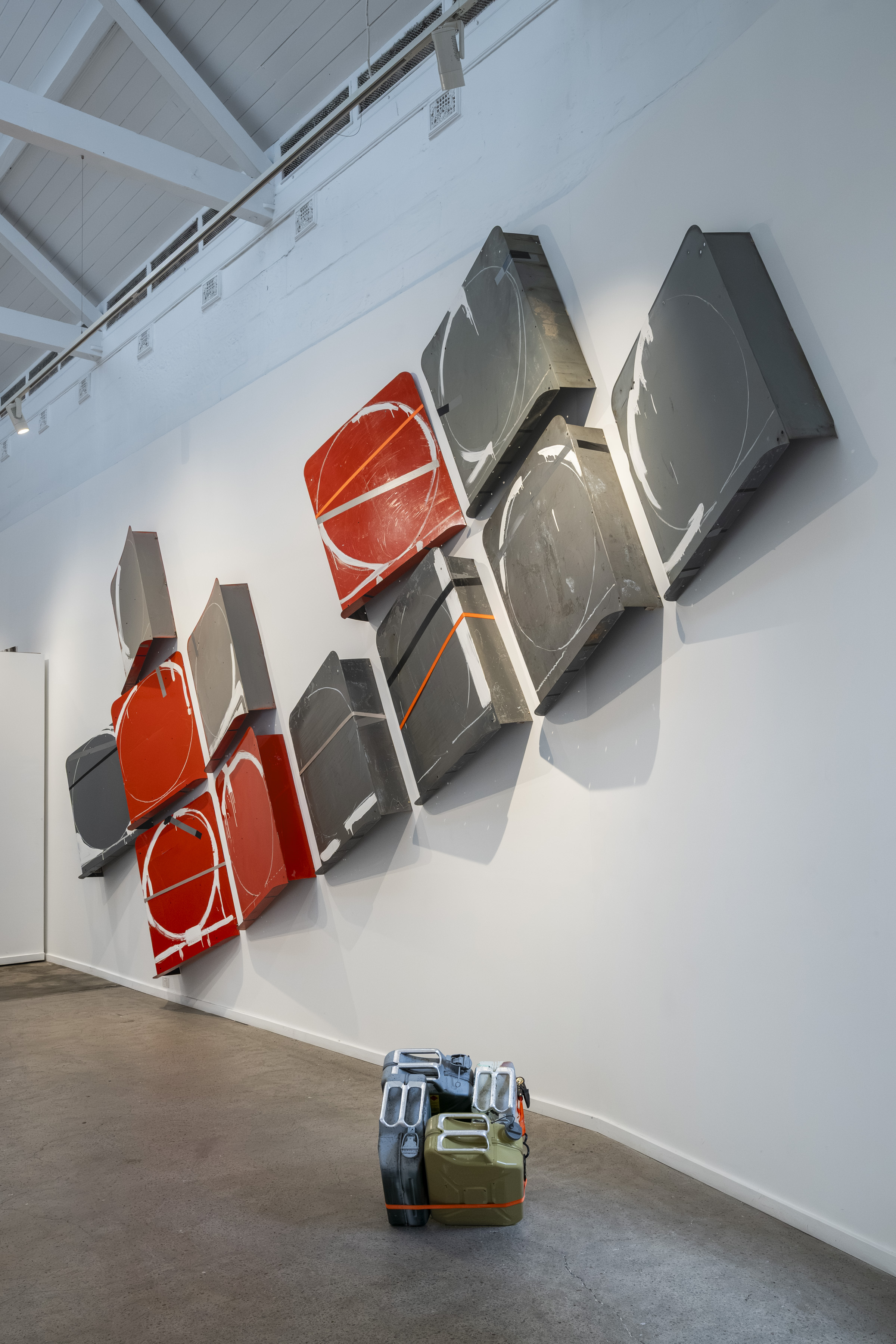
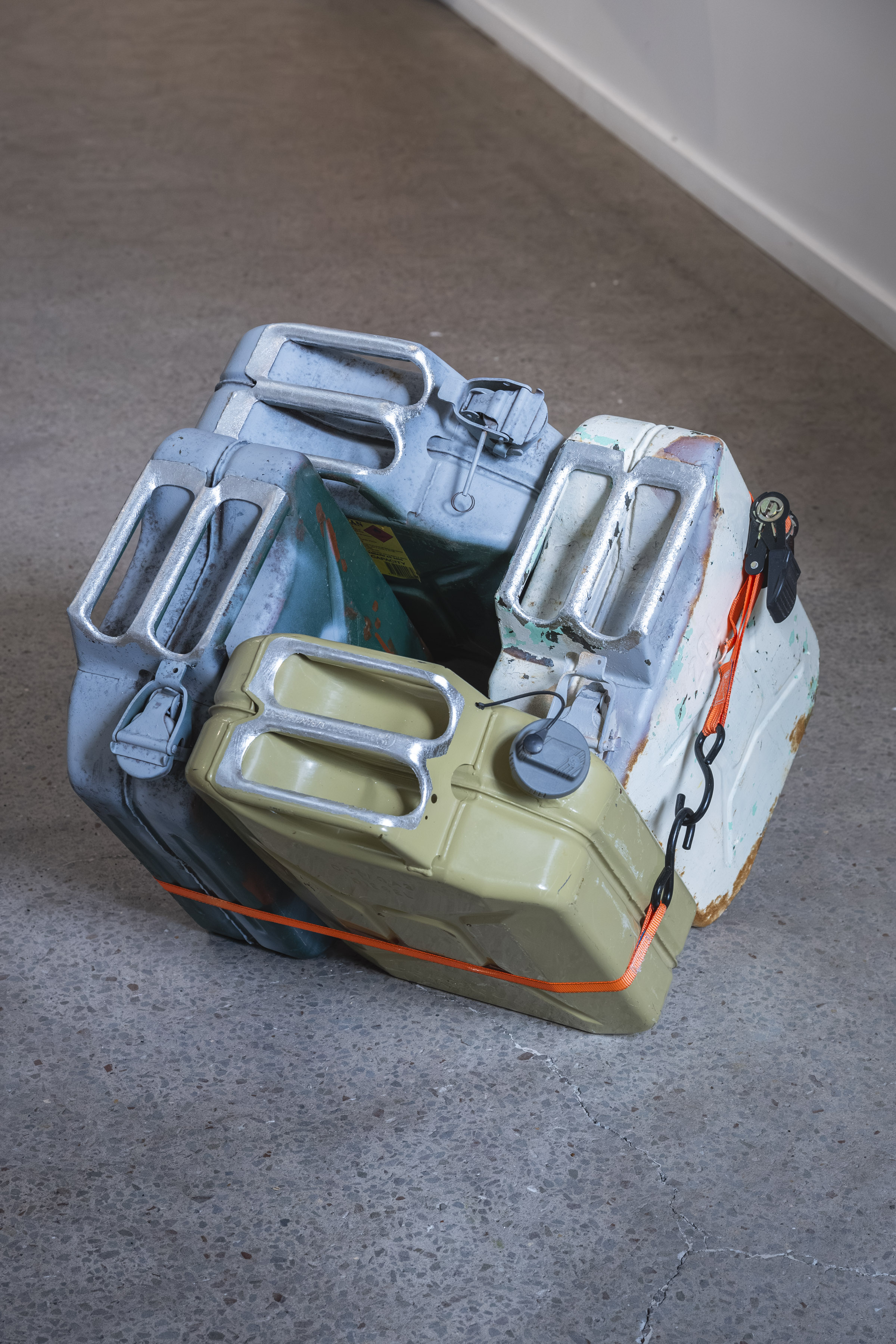
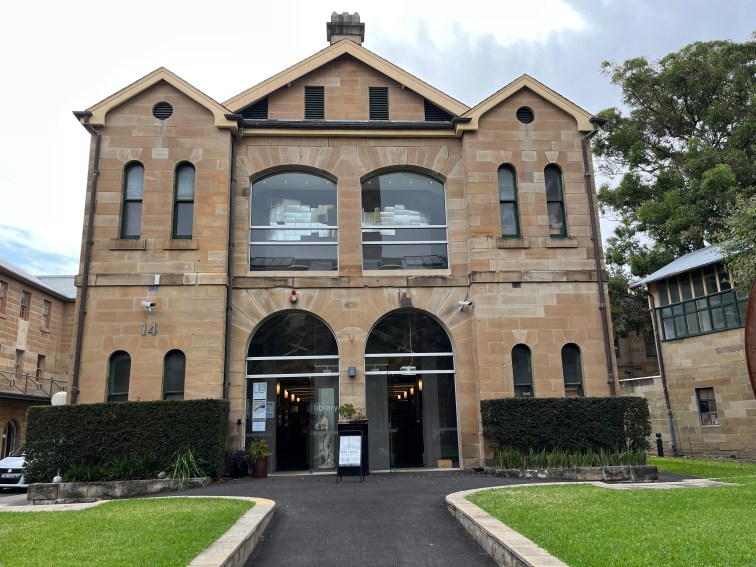
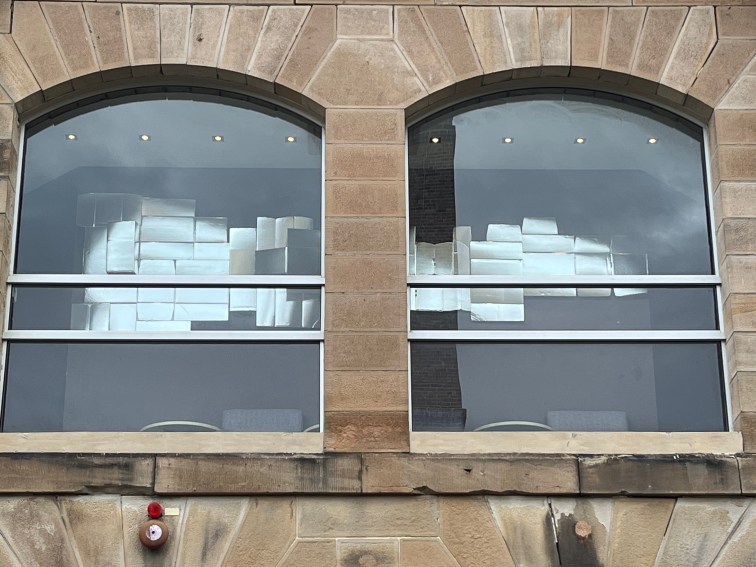
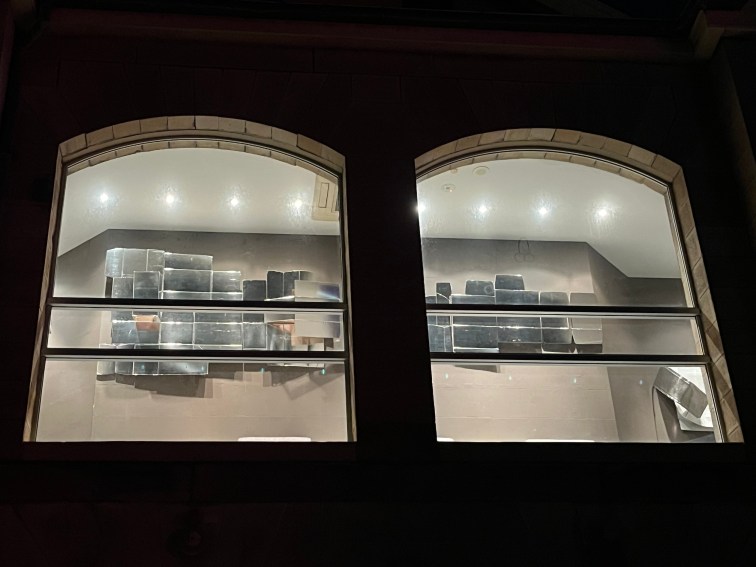
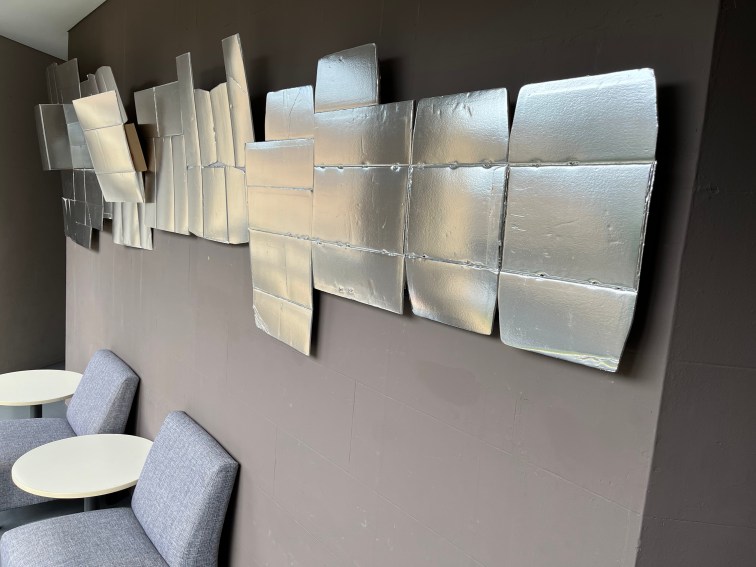
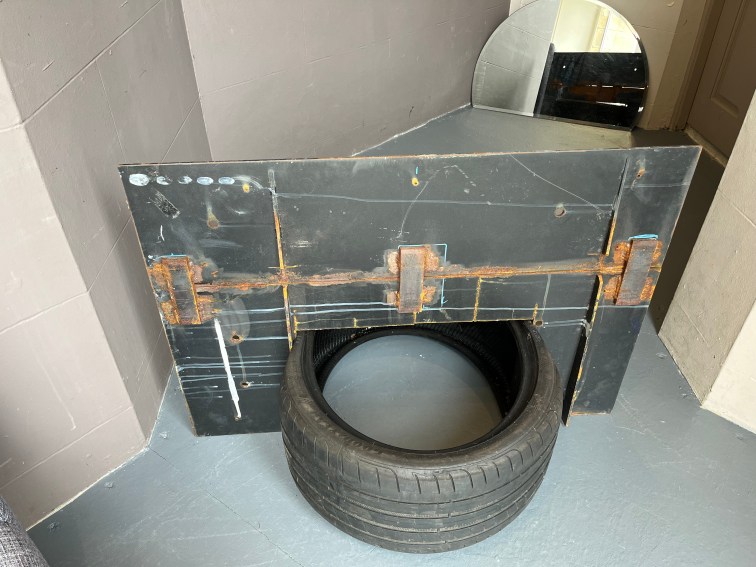
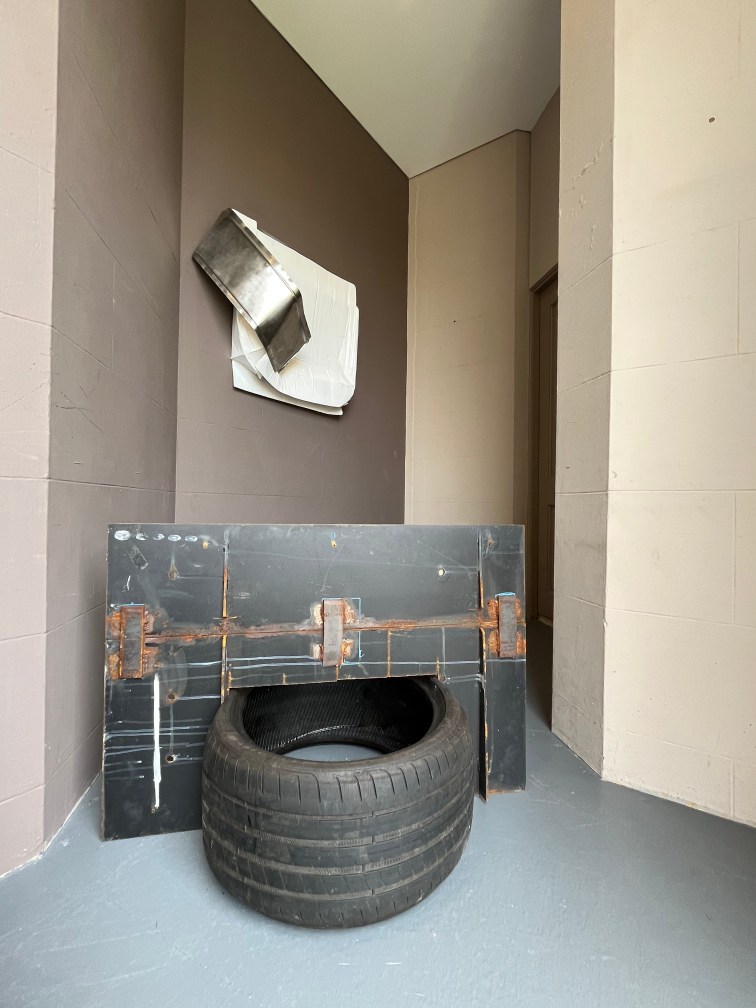
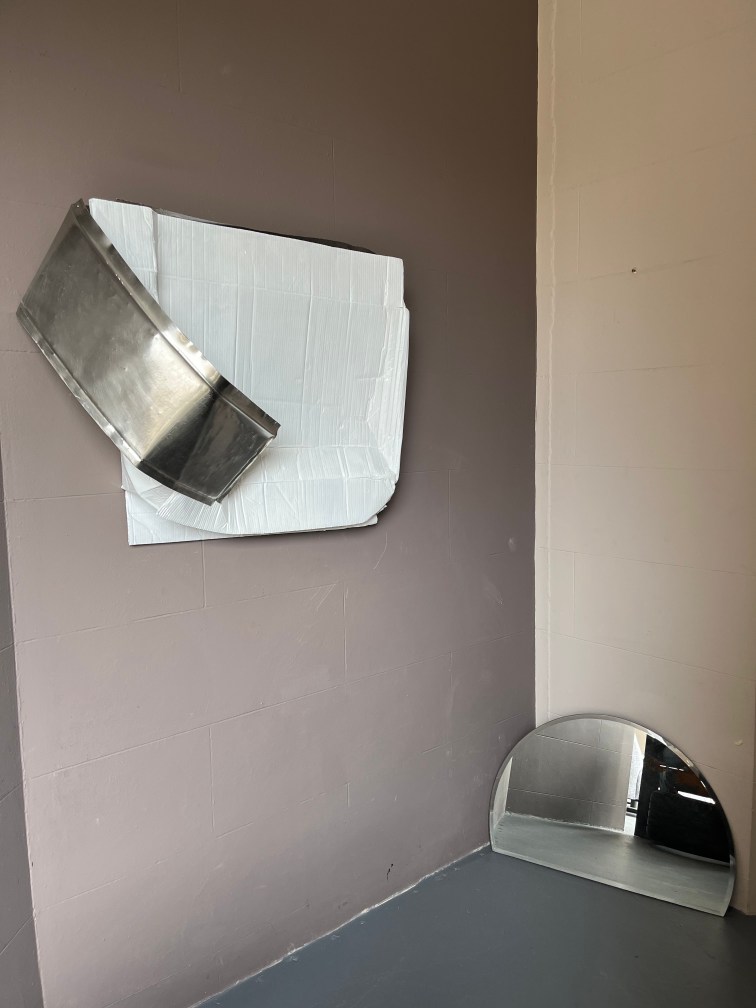
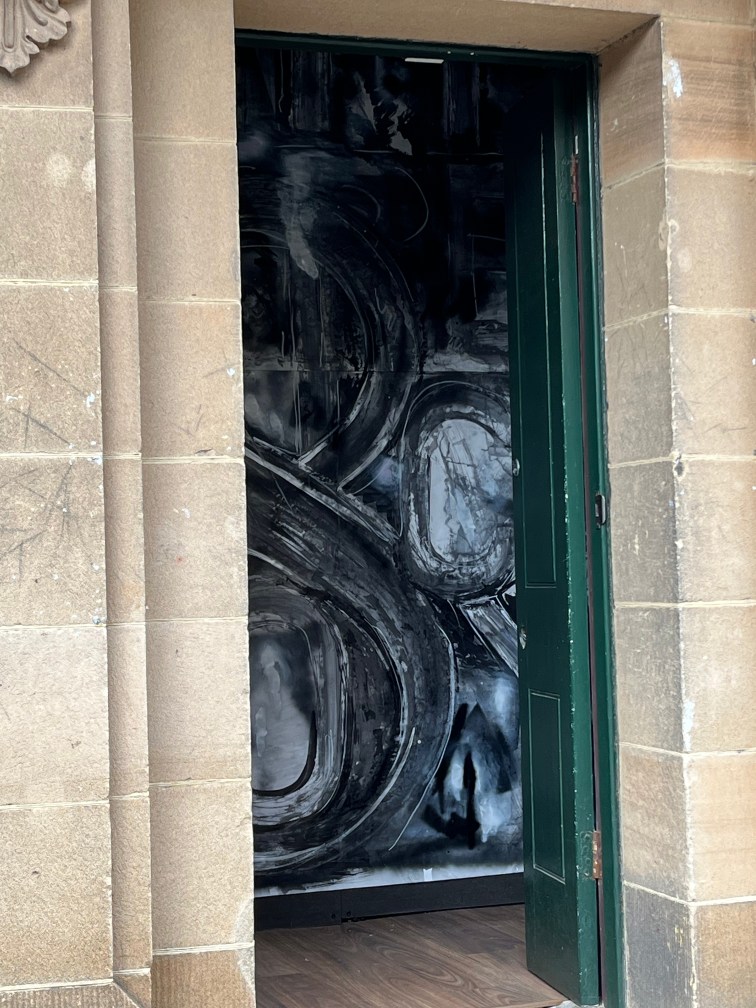
February 2026I didn’t expect to live this long is my solo show for Queer Contemporary at the National Art School. Many thanks to the National Art School Queer Contemporary Working Group, Senior Curator Katrina Cashman, Curator Lucy Latella, Todd Fuller for his thoughtful essay, and John Martin Oldfield and Sam Chan for engineering and install assistance.
“This exhibition presents a body of work that documents personal experiences within the complex histories of this site and the broader Darlinghurst area, epicentre of Australian queer history. Its title is a reflection on the artist’s formative years living and studying in Sydney, shaped by a generation lost to the AIDS crisis. A fragment of a sculpture from her graduating exhibition at NAS in the 1990s sits in dialogue with recent installations and work on paper, to offer a personal and political queering of time, space, materiality, and ideas. Her use of discarded and synthesised materials subverts historically dominant gendering of sculpture, labour, language, violence and car culture, weaving together formative creative and lived experiences and the experimental unmaking-as-making that characterises her work. Balanced and suspended in the gallery, these works become actions of resilience and defiance. I didn’t expect to live this long blurs fiction and reality, inviting us into a space that is both threatening and strangely intimate, and itself deeply queer.” Lucy Latella, Curator
Photography: Enzo Amato
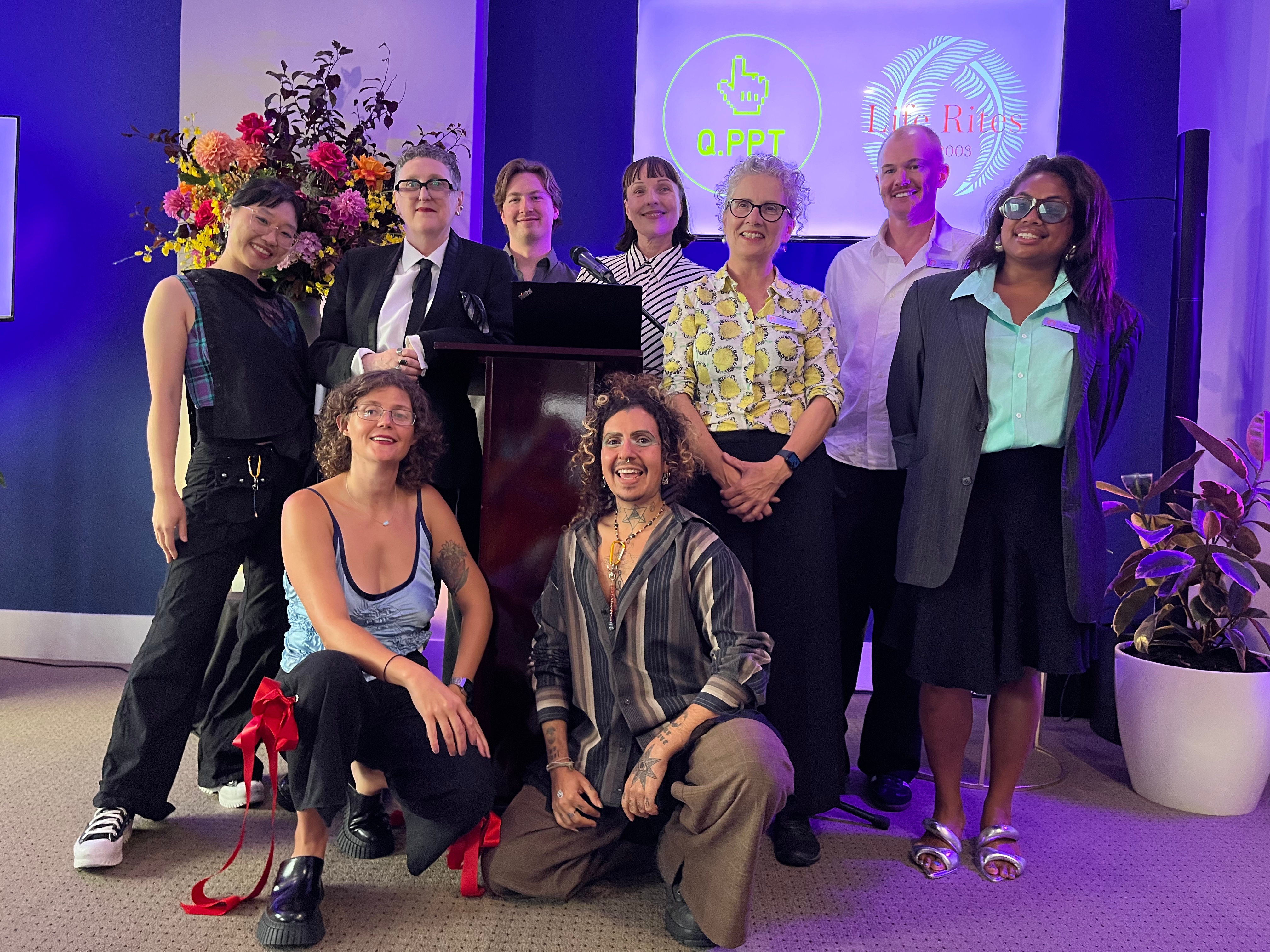
January 2026Everybody loves a dead gay artist, a treatise on the 90s and remembrance of gay artists who died of HIV/AIDS, was my contribution to Death by Powerpoint for Sydney Festival 2026. A privilege to embark on this collaborative residency with Life Rites and Queer PowerPoint, with artists Christine Pan, Andrew Frost and Imbi, developed by Victoria Spence and Harriet Gillies, Thom Smyth and Xanthe Dobbie.
February 2025 — February 2026
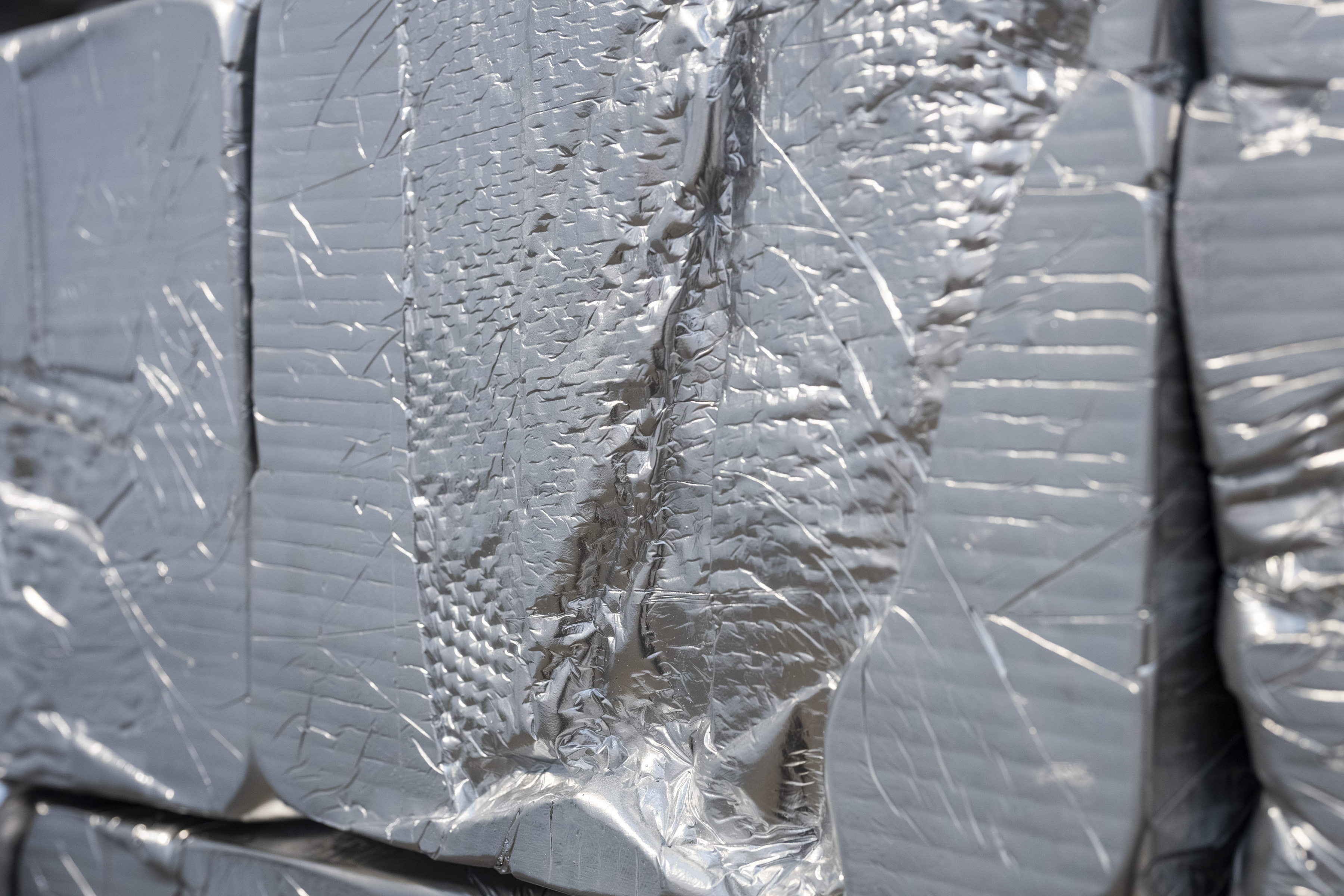
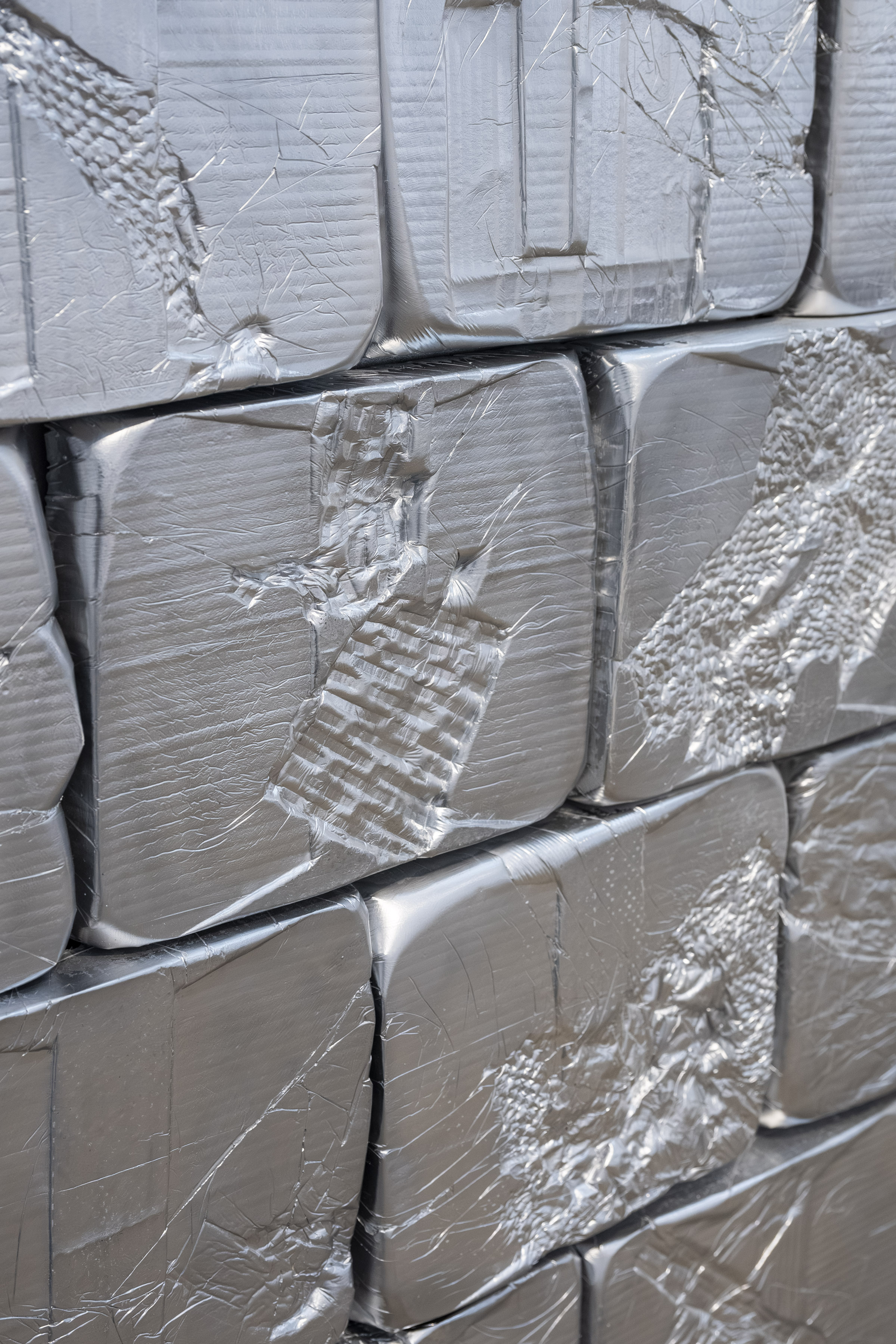
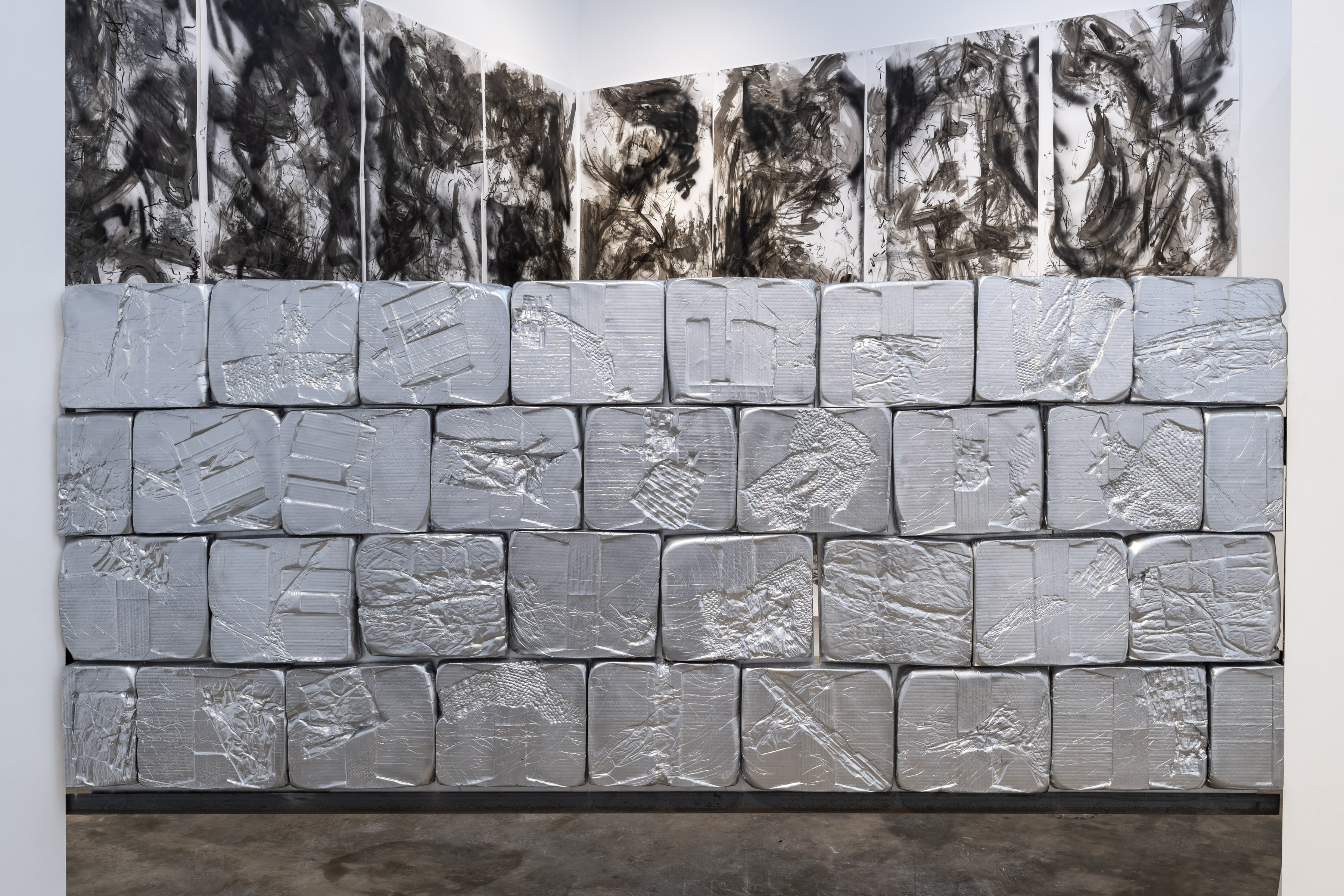
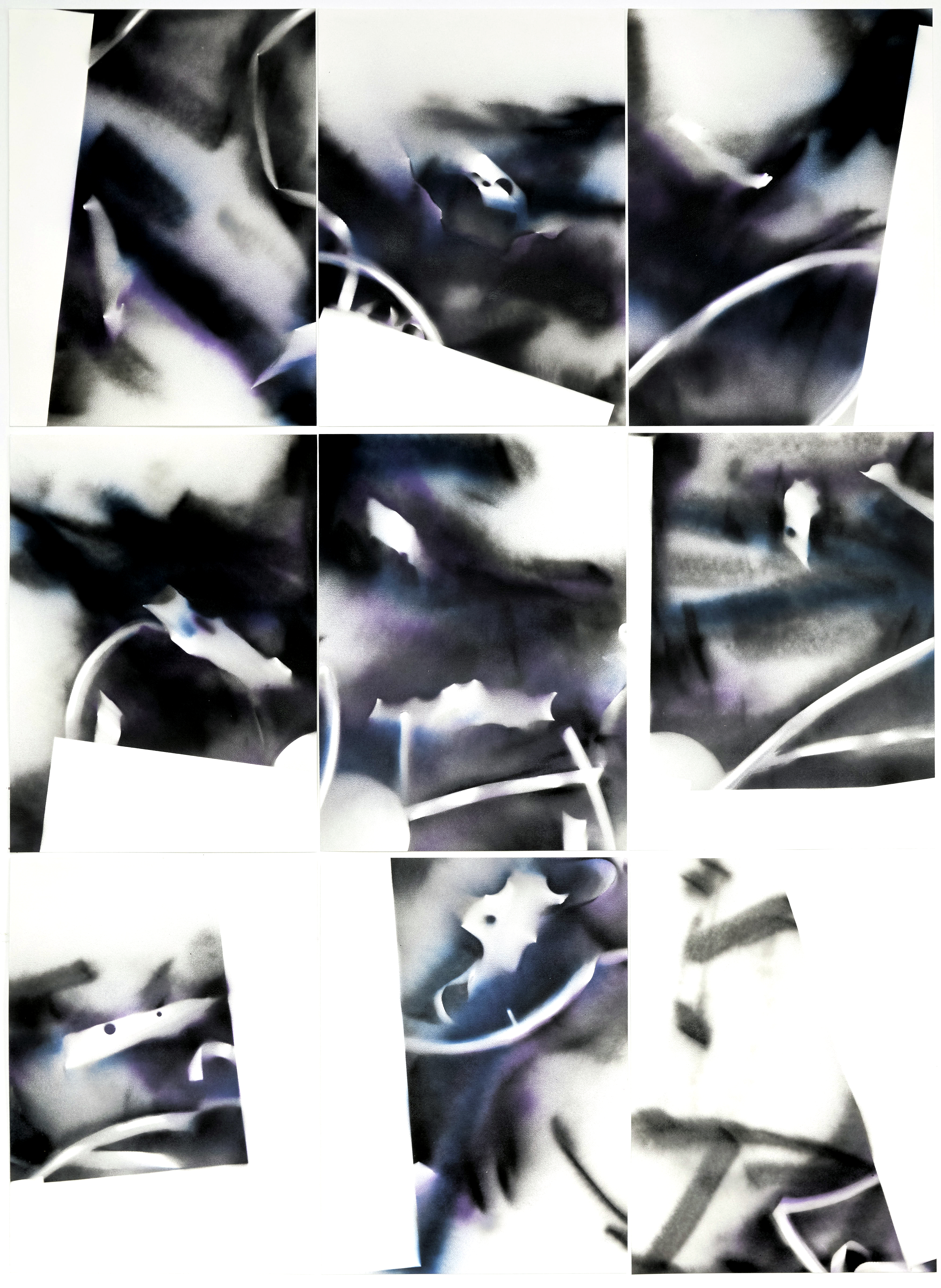
Double portrait (JJ/RR) 2025 FRONTSPACE/BACKSPACE National Art School Campus
Double portrait is an experimental dialogic homage to Jasper Johns and Robert Rauschenberg that riffs on the visual languages of both artists and extrapolates elements of their early individual work alongside the interplay of their mutual influence. It draws out the often elided but ever present queerness and intimacy of their early practices and relationship. The work also extends the slippages between 2D and 3D processes in my own practice.
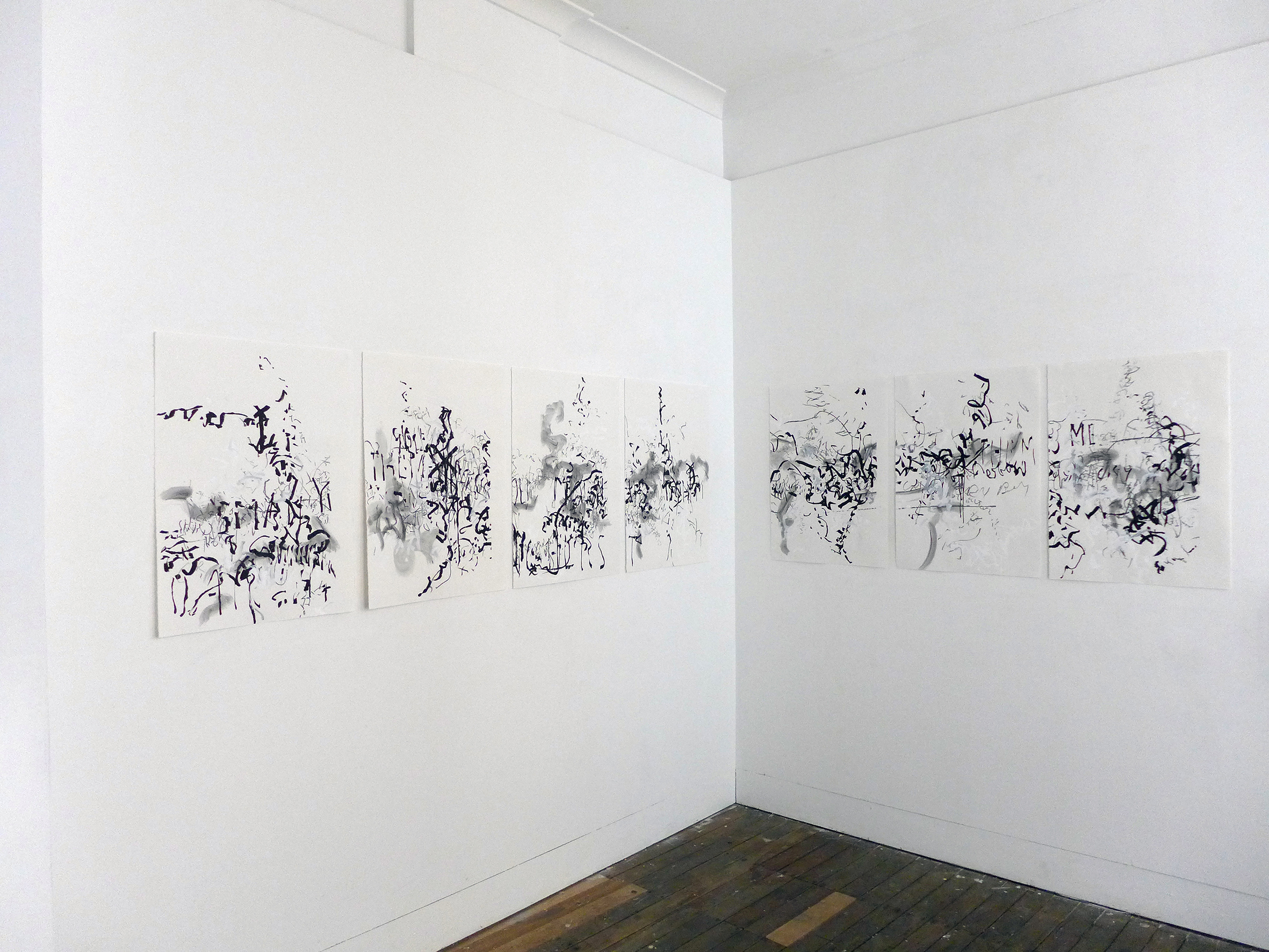
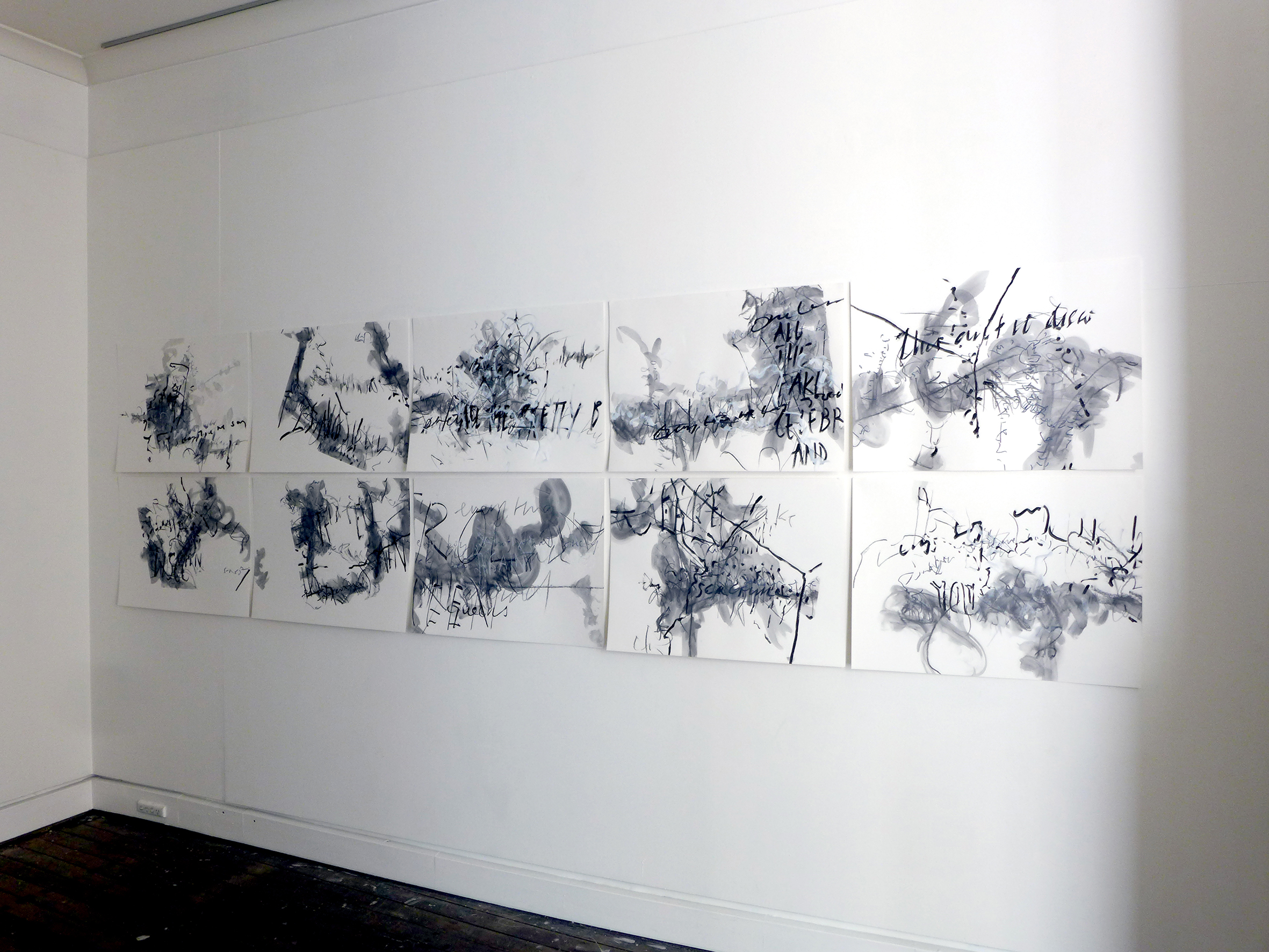
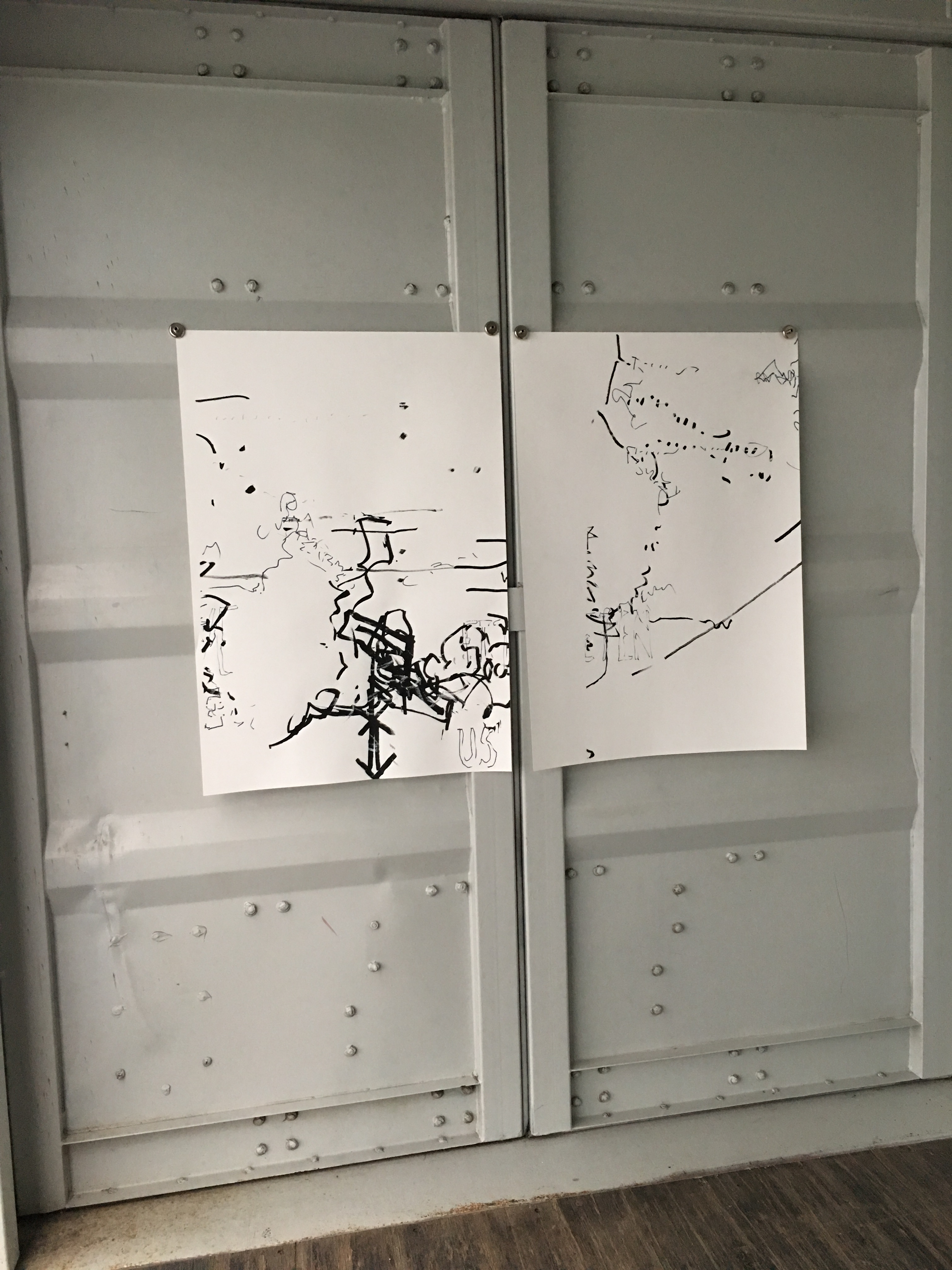
February 2025BENT, 2025 Mixed media on paper 56 x 77cm each included in Queer Drawing curated by Jeremy Smith at DrawSpace. This body of text-based drawing references the language used to describe queerness – both insult and reclamation – and how it changes over time. This vernacular, often stereotypical, superficial, camp and gendered, was my first encounter with how to name what must not be named. When I was young, androgynous, and searching for community, the first terms I came across were largely for effeminate gay men – mary and nancyboy. Some terms pass into common usage and others disappear. I am interested in those expressions of queerness that are repeatedly made invisible. This work also reflects on the queerness of historical pop and pop artists, particularly the text work of Jasper Johns, as well as using visual devices that come to stand in for queerness: such as reversal or inversion, mirroring, and the double.
Two pair; there is no away2022 plaster and mild steel shortlisted for the Woollahra Small Sculpture Prize September 27 – November 5 2023 at Woollahra Gallery at Redleaf.
Lavender Menace 2022, included in the Dobell Drawing Prize 2023, March 31 – June 10 National Art School Gallery; touring regional galleries until July 2025.
February 2022 Small town boy Gaffa Gallery, Sydney.
Small town boy is a personal reflection on 80s and 90s popular and queer culture, and what it has to say to us as we go through our second pandemic. The exhibition is the culmination of a five-year body of temporary and site specific artworks that responded to place and cultural history, and incorporates reflections on architecture and the body, including Oxford Street and the Wall. The work takes the history, scale and visual elements of location to create new narratives, make visible secret histories and generate alternative meanings. Through large-scale drawings and moving image projections it takes intimate details from the built environment, and its cultural meanings for our communities, and sets it to the echo of Bronski Beat.
This exhibition is part of the Sydney Gay and Lesbian Mardi Gras Festival 2022.
Videodocumentation—click to play
November 2020Inheritance Gaffa Gallery, Sydney
This body of work is a series of sculptural experiments with found objects, industrial detritus and building materials that reflect on our over-consumption and exploitation of natural resources; our relentless impact on our environment; and what drives this destructive excess. It is a material attempt to come to terms with the emotional and cognitive dissonance brought about by our consumption culture, and its inescapable commodification of all experience. Taking from minimalism the critique of interiority inherent in body-scaled work, it asks questions of the viewer in the face of the parallel impossibilities of unmediated intimate experiences of both the natural world and our sense of self, especially in the context of incomprehensible but intuitable systemic collapse of our world. It sits as a meditation on alienation and identity. There is inherent a broader inquiry being made with reference to Australian expressions of masculinity and ownership of the land, exploring ideas about nature, the body and subjectivity through a proprioceptive experience of manipulated cultural signposts: for industrial production; for objects of consumption; and for ideas of self. The sculptures serve as memorial gesture as well as provocation: an attempt to visualise — and articulate — the reverberations of destruction through cultural forms.